Community
Sunulife · Fri, Apr 10, 2026 · 2 min read
The Manuscripts of El Hadj Oumar Tall: A Memory in Exile Awaiting Return
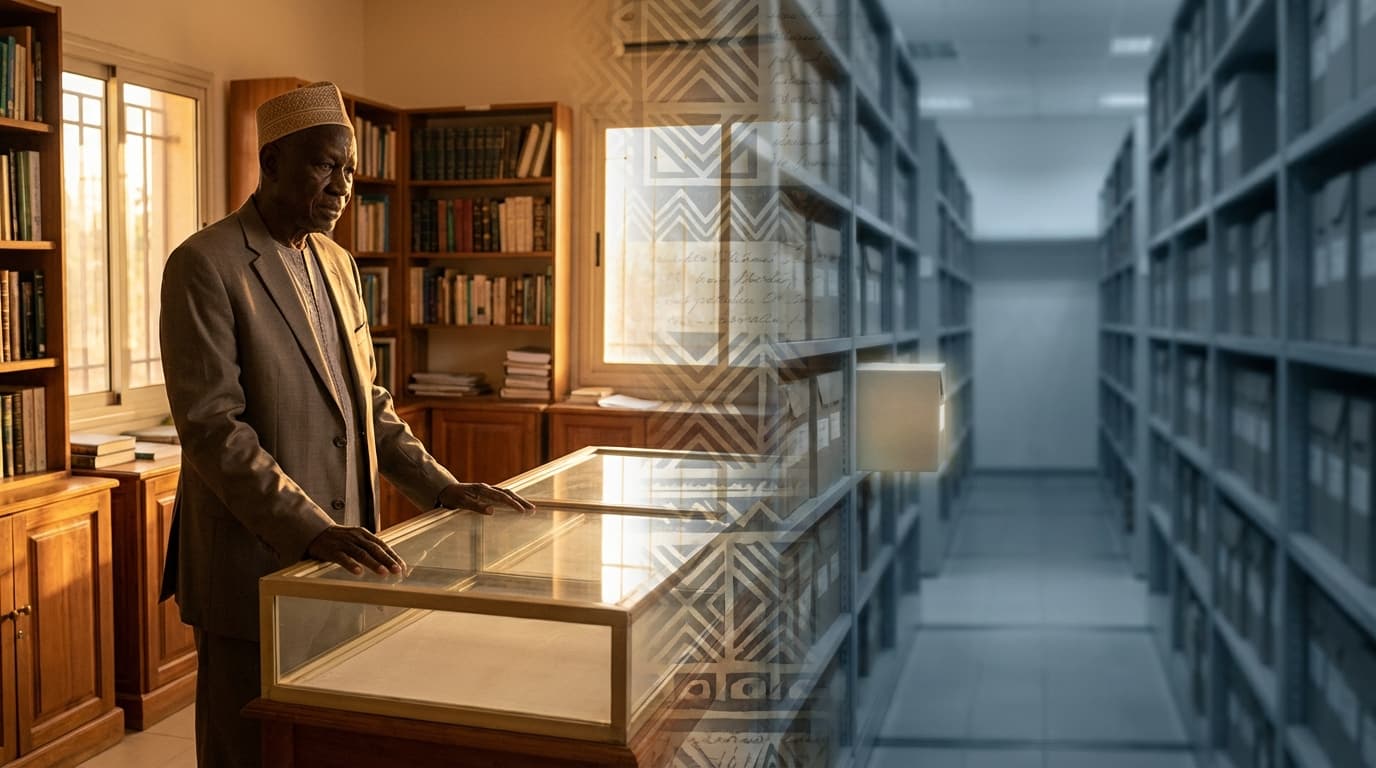
Seven years ago, a powerful symbol finally returned to the land that bore it: the sword of El Hadj Oumar Tall was handed back to his descendants. Yet, this gesture, however symbolic, did not close the chapter. For behind the weapon lie the words – the precious manuscripts of the Toucouleur Empire's founder, still held in France. This unfinished restitution is not merely about objects; it is a battle for memory, a reclaiming of our own narrative. For the descendants of El Hadj Oumar Tall, the struggle is both political and deeply memorial. They are not claiming mere parchments, but the keys to understanding an era, the written thought of a spiritual and military leader who shaped West African history. These documents are silent witnesses to resistance, faith, and governance. To keep them away from Senegal is to hold a part of our historical consciousness in exile. Whether you're in Paris, Montreal, or New York, this story speaks to you directly. It reminds us that our heritage is sometimes scattered, that the traces of our great figures can be held far from their lands. The diaspora, in its unique position, understands this tension between here and elsewhere, between preserved memory and restored memory. Every withheld manuscript is a missing page in the collective book we strive to preserve and pass on. Today, the question persists: when will these writings return to Senegalese soil? The restitution of the sword showed that the path was possible, but it remains incomplete. As