
Faith
Sunulife · Sun, Oct 18, 2026 · 2 min read
Anger in Traffic and Beyond: What If We Breathed Before Honking?
In Short
In Dakar’s traffic and family tensions, anger flares quickly, but the Bible advises acknowledging it without letting it linger or lead to sin. By being quick to listen, slow to speak, and slow to anger, simple gestures like breathing and pausing can transform reactions into peaceful strength.
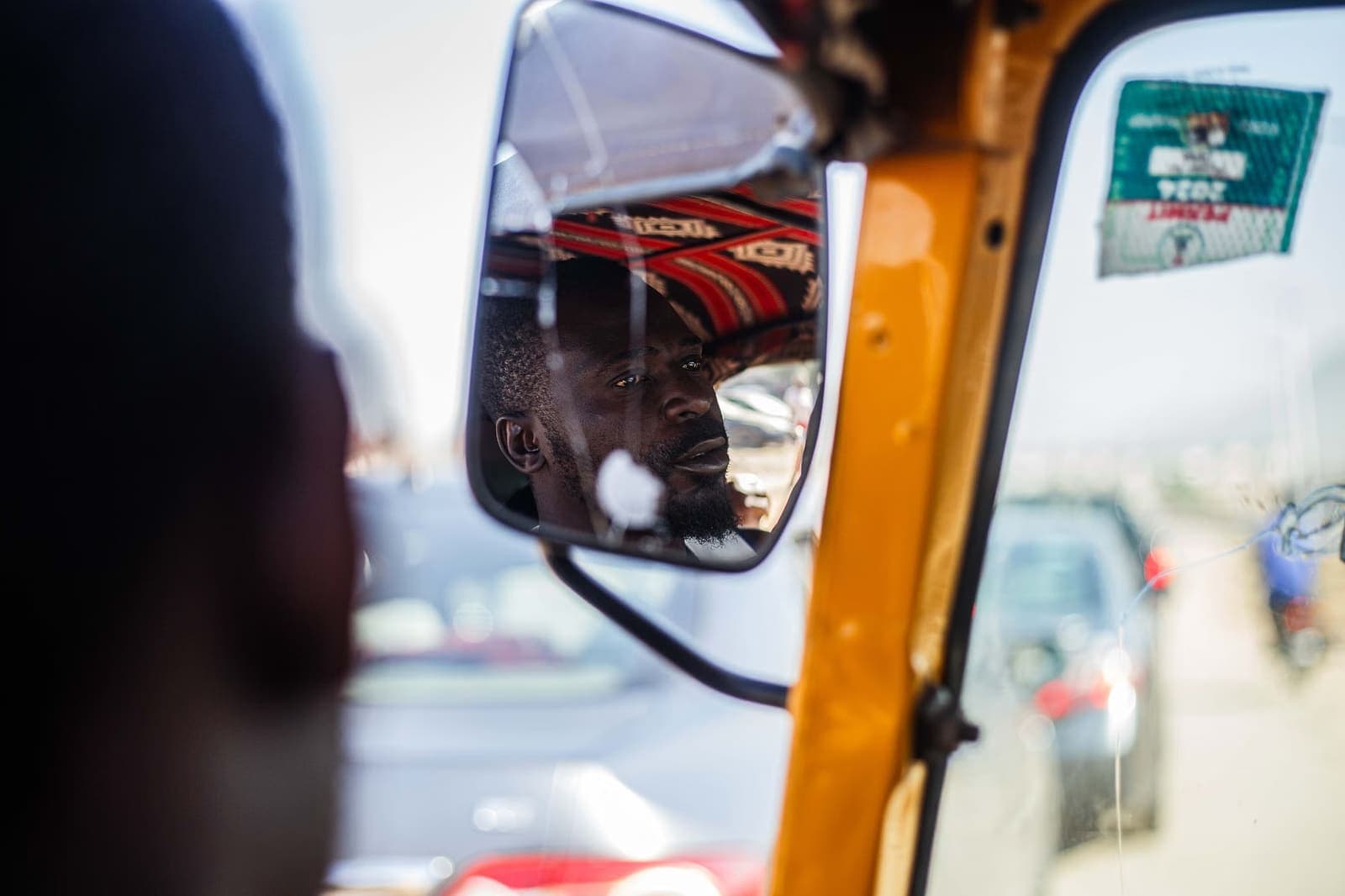
It’s 6 p.m. on the VDN in Dakar. Horns blare, a car rapide cuts in, and in an instant, anger flares. You get out of the car, shout, gesticulate. Later at home, the tension lingers, ready to explode over nothing. Yet in our families, we’ve learned to share ngalax at Easter and to visit Muslim neighbours at Tabaski. So why does anger so often get the better of us?
The Bible doesn’t condemn anger itself. It invites us to handle it wisely. In the letter to the Ephesians, we read: “Be angry, and don’t sin.” Don’t let the sun go down on your wrath. In other words, anger can exist, but it must not lead us into sin, nor should it linger until sunset. That means we need to acknowledge it, name it, and not let it settle in. In the Senegalese context, where we often live in community, this call not to let anger fester is precious.
The apostle James gives very practical advice: “let every man be swift to hear, slow to speak, and slow to anger”. Be quick to listen, slow to speak, slow to get angry. In traffic, that might mean turning down the radio, taking a deep breath, listening to the other person before responding. In family life, it could mean letting the other finish their sentence before replying. This isn’t weakness; it’s quiet strength. And James adds that “the anger of man doesn’t produce the righteousness of God”. Human anger doesn’t produce God’s justice. It doesn’t solve anything; it makes things worse.
Loading the rest of the story…