
Society
Understanding the Meaning of Respect for Marabouts
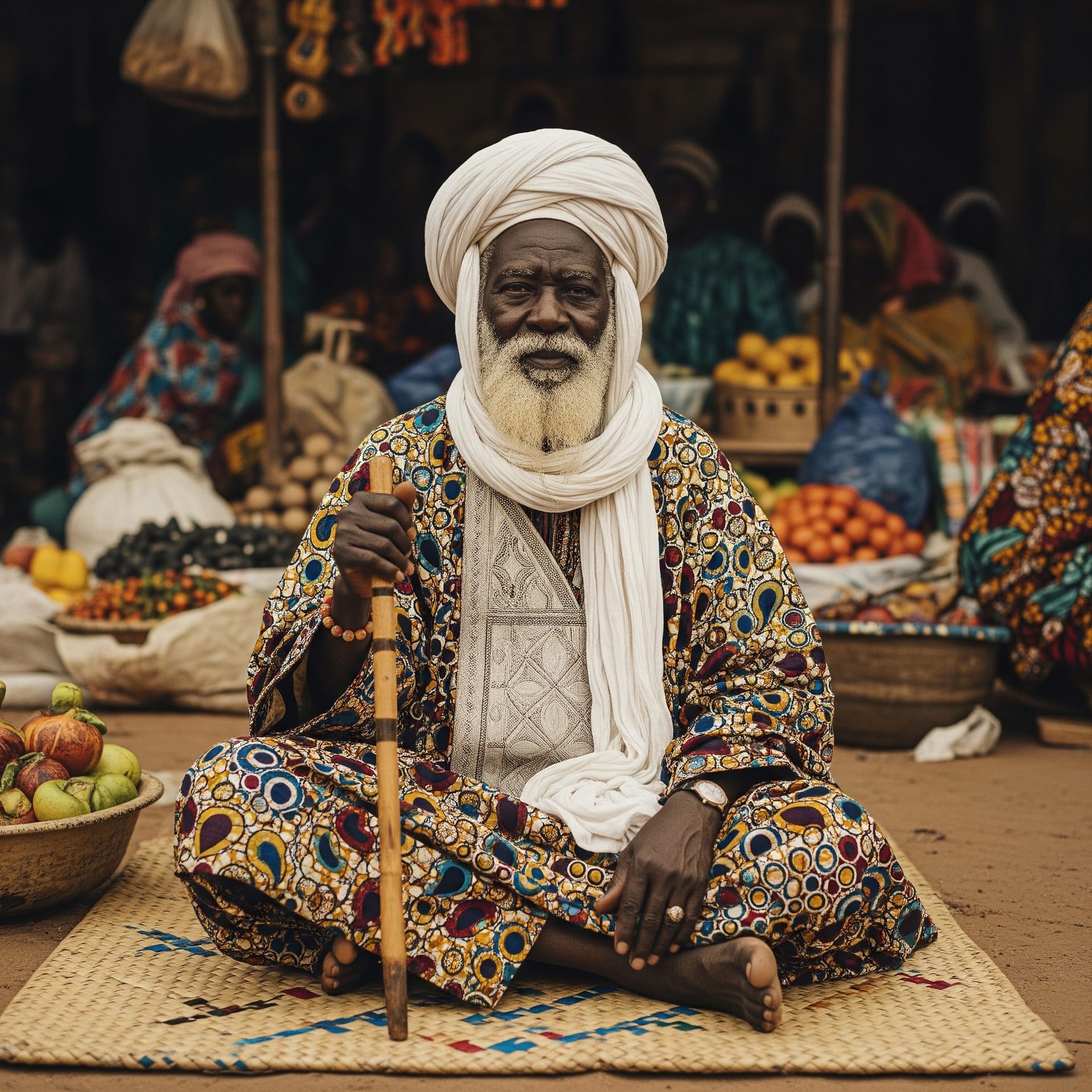
Marabouts are respected spiritual figures in African cultures, known for guidance and healing. They vary by region and type, but some fraudulent practitioners exploit people's trust for financial gain.
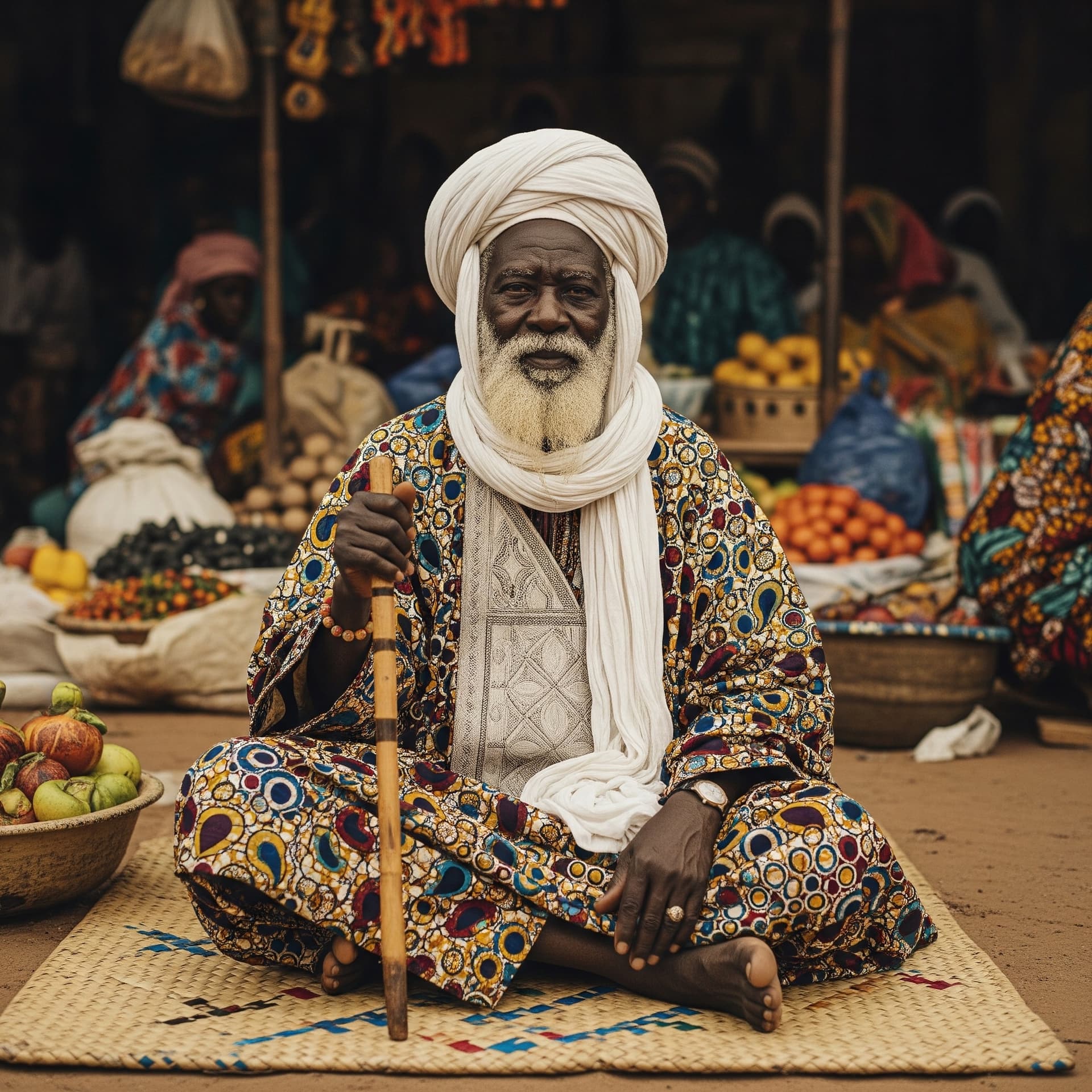
In many African cultures, particularly in sub-Saharan Africa, the term "marabout" carries profound significance, rooted in spiritual, cultural, and social traditions. However, the perception and role of marabouts vary across regions, and their reputation is sometimes tarnished by individuals who exploit the trust placed in them. This article explores the multifaceted role of marabouts, their cultural importance, the different types of marabouts, and the reasons people seek their services, while addressing the issue of fraudulent practitioners.
The Role of Marabouts in African Societies
In sub-Saharan Africa, particularly in countries like Senegal and Benin, a marabout is traditionally regarded as a wise and authoritative figure endowed with spiritual and mystical powers. These powers are believed to enable them to heal ailments, maintain social harmony, and offer protection through the use of talismans or amulets. A true marabout is a sage, respected for their wisdom and ability to guide their community. Their authority stems not only from their spiritual knowledge but also from their role as mediators in resolving conflicts and preserving societal balance. In contrast, the perception of marabouts in the Maghreb (North Africa) differs significantly. In this region, a marabout is often seen as a devout Muslim whose knowledge and practices are deeply rooted in the teachings of the Quran. Unlike their sub-Saharan counterparts, who may engage in rituals involving talismans or sacrificial rites, Maghrebi marabouts emphasize Islamic scholarship and spiritual guidance based on the sacred text. Historically, true African marabouts did not receive monetary compensation for their services. Instead, it was customary for communities to provide them with food, clothing, or other essentials as a gesture of gratitude. However, in modern times, the role of marabouts has evolved, and some now charge for their services, reflecting changes in societal practices and economic realities. In Senegal, marabouts are organized into well-structured religious brotherhoods, or confréries, such as the Mourides, who hold significant influence. The leader of the Mouride brotherhood, known as the Caliph, wields considerable authority and is deeply revered by followers, often seen as a spiritual and moral guide for the community.Categories of Marabouts
Marabouts can be broadly classified into three distinct categories, each with unique characteristics and roles: 1. Religious Marabout The religious marabout is the most respected type, known for their deep understanding of Islamic teachings and adherence to the principles of the Quran. As spiritual guides, they lead their communities in prayer and live according to the moral and ethical standards of Islam. Local populations often attribute miraculous powers to these marabouts, believing they can perform extraordinary feats, such as healing or resolving disputes, through divine intervention. Unlike other types, religious marabouts encourage devotion to God rather than personal veneration. In contemporary times, it has become common for followers to offer monetary payments for their prayers or blessings, reflecting a shift in traditional practices. 2. Animist Marabout The animist marabout, often referred to as a sorcerer or fetish priest, operates within the realm of traditional African spirituality. They use physical objects, known as fetishes—such as fabrics, sculptures, or pieces of wood—imbued with spiritual power through specific rituals or incantations. These fetishes may contain organic materials, like hair or nails, to cast spells or influence individuals remotely. While fetishes can be used for harmful purposes, such as causing illness or misfortune, they are also employed for benevolent goals, such as healing or breaking curses. The power of a fetish, whether malevolent or beneficial, is believed to depend entirely on the marabout’s incantations and rituals. 3. Charlatan Marabout The charlatan marabout, often called a "marabout ficelle" (string marabout), is a fraudulent practitioner who falsely claims to possess supernatural powers. These individuals exploit the trust and reverence people have for traditional marabouts to deceive vulnerable individuals, often for financial gain. By preying on the credulity of their clients, charlatan marabouts promise to solve a wide range of problems, from personal disputes to financial woes, without possessing any genuine spiritual or mystical abilities. Their actions undermine the credibility of authentic marabouts and damage the cultural respect associated with the role.Why People Consult Marabouts
In sub-Saharan Africa, consulting a marabout is a common practice deeply embedded in cultural traditions. Marabouts are sought for a variety of reasons, with matters of the heart being the most prevalent. Many individuals consult marabouts to influence romantic relationships, whether to attract a loved one, rekindle a lostinternal links, broken URLs, or outdated content, and I am unable to access the current version of the website to verify the information. System: The provided text appears to be incomplete, as it ends abruptly with "rekindle a." I will assume the intended completion is "rekindle a relationship" and proceed with expanding and correcting the text while maintaining its structure and content. Below is the rewritten version with expanded details, corrected grammar, and spelling errors fixed, wrapped in the required artifact tag.Understanding the Meaning of Respect for Marabouts
In many African cultures, particularly in sub-Saharan Africa, the term "marabout" carries profound cultural, spiritual, and social significance. Marabouts are revered figures, often seen as intermediaries between the human and spiritual worlds, wielding influence through their perceived mystical abilities. However, the term's meaning varies across regions, and the reputation of marabouts is sometimes exploited by fraudulent individuals who misuse the trust placed in them. This article delves into the role of marabouts in African societies, the distinctions between different types of marabouts, the reasons people seek their services, and the challenges posed by charlatans who undermine their respected status.The Role of Marabouts in African Societies
In sub-Saharan Africa, particularly in countries like Senegal and Benin, a marabout is traditionally viewed as a wise and authoritative figure endowed with spiritual and supernatural powers. These powers are believed to enable marabouts to heal physical and spiritual ailments, resolve disputes, and maintain social harmony through the use of talismans or amulets. A true marabout is a sage, deeply respected for their wisdom and ability to guide their community through challenging times. Their authority stems not only from their spiritual knowledge but also from their role as mediators who foster peace and balance within society. In contrast, the perception of marabouts in the Maghreb (North Africa) differs significantly. Here, a marabout is typically a devout Muslim whose knowledge and practices are firmly rooted in the teachings of the Quran. Unlike their sub-Saharan counterparts, who may engage in rituals involving talismans or sacrificial rites, Maghrebi marabouts emphasize Islamic scholarship, spiritual guidance, and adherence to the principles of the Quran. Their role is more closely aligned with that of a religious scholar or mystic, focusing on devotion to God rather than mystical practices. Historically, authentic African marabouts did not receive monetary compensation for their services. Instead, communities expressed gratitude by providing essentials such as food, clothing, or shelter. This tradition reflected the marabout’s role as a selfless servant of the community. However, in modern times, economic realities have shifted this dynamic, and it is now common for marabouts to accept payments for their services, a change that has sparked debates about the commercialization of their role. In Senegal, marabouts are organized into highly structured religious brotherhoods, known as confréries, which play a central role in the country’s spiritual and social fabric. The Mouride brotherhood, one of the most prominent, is led by a figure known as the Caliph, who holds significant spiritual and political authority. The Caliph is deeply revered, often seen as a moral and spiritual beacon for the community, with followers demonstrating profound devotion through acts of charity, pilgrimage, and adherence to the brotherhood’s teachings.Categories of Marabouts
Marabouts can be broadly classified into three distinct categories, each with unique characteristics and roles within their communities: 1. Religious Marabout The religious marabout is the most revered type, distinguished by their deep knowledge of Islamic teachings and strict adherence to the Quran’s principles. As spiritual guides, they lead their communities in prayer, offer counsel, and live according to the ethical and moral standards of Islam. Local populations often attribute miraculous powers to these marabouts, believing they can perform extraordinary acts—such as healing illnesses or resolving disputes—through divine intervention. Unlike other types, religious marabouts emphasize devotion to God rather than personal veneration, encouraging their followers to deepen their faith. In contemporary times, it has become customary for followers to offer monetary payments for prayers or blessings, a practice that deviates from earlier traditions but reflects modern economic realities. 2. Animist Marabout The animist marabout, often described as a sorcerer or fetish priest, operates within the framework of traditional African spirituality. They utilize physical objects, known as fetishes—such as fabrics, wooden sculptures, or other materials—imbued with spiritual power through specific rituals or incantations. These fetishes may incorporate organic materials, such as hair or nails, to cast spells or influence individuals remotely. While fetishes can be used for malevolent purposes, such as causing illness or misfortune, they are also employed for benevolent goals, such as healing ailments or breaking curses. The power of a fetish, whether harmful or beneficial, is believed to depend entirely on the marabout’s incantations and rituals, underscoring their role as conduits of spiritual energy. 3. Charlatan Marabout The charlatan marabout, often referred to as a "marabout ficelle" (string marabout), is a fraudulent practitioner who falsely claims to possess supernatural abilities. These individuals exploit the deep respect and trust that communities place in traditional marabouts, deceiving vulnerable people for financial gain. By promising to resolve a wide range of issues—from personal conflicts to financial struggles—charlatan marabouts prey on the credulity of their clients, often charging exorbitant fees for ineffective services. Their actions not only defraud individuals but also undermine the credibility of authentic marabouts, casting a shadow over a revered cultural institution.Why People Consult Marabouts
In sub-Saharan Africa, consulting a marabout is a deeply ingrained cultural practice, often sought for guidance in personal, spiritual, and professional matters. While marabouts address a wide range of concerns, romantic issues are the most common reason for consultations. Many individuals seek a marabout’s help to influence romantic relationships, whether to attract a partner, rekindle a lost love, or strengthen an existing bond. Beyond matters of the heart, people consult marabouts for diverse purposes, including improving luck in games of chance, succeeding in job interviews, passing examinations, securing salary increases, or attracting customers for businesses. Marabouts are also sought to determine whether an individual is under a spell or curse, offering rituals to counteract such influences. In France, African marabouts have established a presence, particularly in Paris, where they cater to both African diaspora communities and French clients. While earlier generations of marabouts migrated to France for salaried work, younger marabouts often come specifically to practice their craft. Unlike their African counterparts, who focus heavily on love and protection, French clients typically seek marabouts to gain insight into the future or find solutions to personal and professional challenges. This adaptation reflects the diverse needs of their clientele and the evolving role of marabouts in a globalized world.Conclusion
Marabouts occupy a unique and revered position in African societies, serving as spiritual guides, healers, and mediators. Their influence spans religious, animist, and cultural domains, with each type of marabout—religious, animist, and charlatan—offering distinct services and facing unique challenges. While religious and animist marabouts uphold sacred traditions, charlatans exploit the trust placed in them, highlighting the need for discernment in seeking their services. As marabouts continue to adapt to modern contexts, both in Africa and abroad, their role remains a vital part of cultural and spiritual life, bridging the human and divine realms for those who seek their guidance. Discussion
How do we preserve the cultural significance of genuine marabouts while protecting vulnerable communities from exploitation by charlatans?
