
Society

Understanding Infidelity in the Context of Senegalese Culture

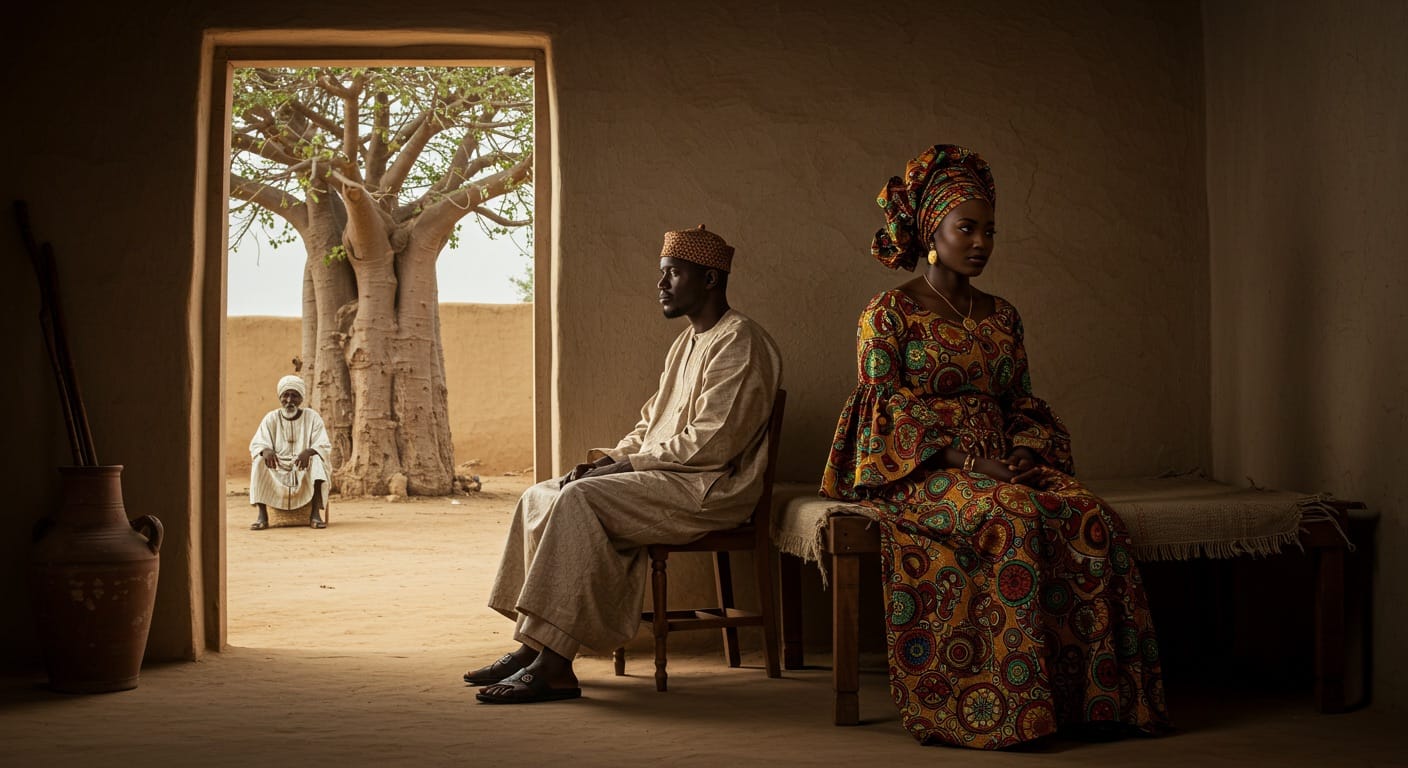
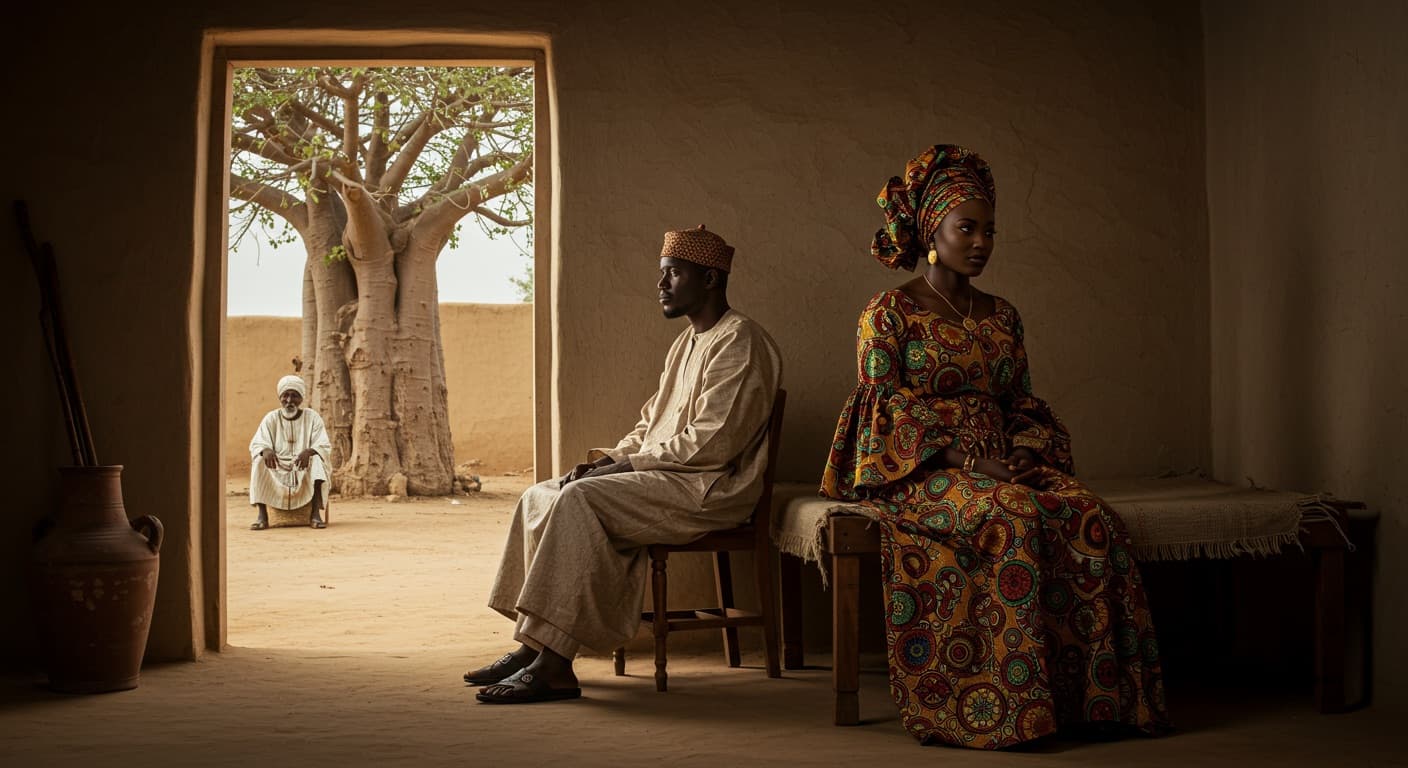
In Senegalese culture, infidelity disrupts social harmony and reflects deeper emotional or spiritual voids, not just personal betrayal. Addressing it involves self-reflection and community guidance, aiming to restore peace and realign with cultural values like dignity and discretion.
SunulifeFri, Jul 18, 20257min read
Understanding Infidelity in the Context of Senegalese Culture
In Senegalese culture, where family, community, and mutual respect are deeply valued, infidelity is a complex and sensitive topic. It is often viewed not only as a personal failing but as a disruption of the social and familial harmony that underpins society. To fully grasp infidelity in this context, it’s essential to explore its emotional, psychological, and cultural dimensions, considering the values of loyalty, trust, and collective well-being that shape relationships in Senegal. Rather than simply condemning infidelity as an extramarital affair, we can approach it as an opportunity to reflect on the dynamics within a couple, the individual’s inner struggles, and the broader societal expectations.

Is Infidelity an Inherent Trait?

In Senegal, where marriage is often seen as a sacred bond and a communal commitment, the idea of infidelity as a fixed character trait is nuanced. Some individuals may experience persistent desires that lead them to seek fulfillment outside their relationship, which could suggest a deeper, unresolved longing. In the Senegalese context, this might be interpreted as a lack of sutura (discretion and dignity) or an imbalance in one’s personal and spiritual life. Such behavior often stems from a profound sense of dissatisfaction or unaddressed emotional voids. For example, in a society that emphasizes jamm (peace) and self-respect, repeated infidelity may reflect a lack of self-love or an inability to confront personal insecurities. Women, in particular, may face societal pressures to seek validation through relationships, sometimes leading to a cycle of seeking affection externally. This could be likened to a cultural notion of mendicité d’amour (begging for love), where the individual searches for external affirmation rather than cultivating inner contentment. The Wolof proverb, “Nitt ku am solo, am na jamm ak xol” (A person of value carries peace in their heart), reminds us that true fulfillment comes from within, not from fleeting external connections. Addressing this requires introspection and, often, guidance from elders or spiritual leaders, who play a significant role in Senegalese communities. Personal growth, perhaps through self-reflection or religious practices like prayer or consultation with a marabout (spiritual guide), can help individuals understand and overcome these desires, aligning their actions with cultural values of integrity and respect.

Is Fidelity a Proof of Love?

In Senegalese culture, fidelity is often seen as a cornerstone of love, reflecting not only devotion to a partner but also respect for the family and community. Marriage in Senegal, whether monogamous or polygamous, is a commitment that extends beyond the couple to include extended families and social networks. Fidelity, therefore, is less about proving love and more about embodying it through actions that honor this collective bond. As the saying goes, “Xol bu sedd, am na solo” (A calm heart holds great value), suggesting that fidelity arises naturally from a heart at peace with its commitments. However, fidelity in Senegal is not solely a moral obligation but a reflection of kersa (dignity and restraint). Being faithful demonstrates respect for oneself, one’s partner, and the shared values of the community. In polygamous households, fidelity may take on a different meaning, focusing on fairness and respect among co-wives, as prescribed by Islamic principles or customary practices. Ultimately, fidelity is an expression of love that aligns with cultural expectations of trust and mutual care.

Does One Instance of Infidelity Lead to More?

The notion that “once unfaithful, always unfaithful” resonates in Senegal, where trust is a fragile yet essential component of relationships. Infidelity often signals deeper personal or relational issues, such as unmet emotional needs or a lack of fulfillment within the couple. In a culture that values ndeysaan (empathy and understanding), infidelity might be seen as a misguided attempt to fill an existential void or to seek validation outside the marriage. Psychologically, repeated infidelity may stem from a cycle of dissatisfaction, where individuals chase fleeting moments of affirmation rather than addressing the root causes of their discontent. In Senegalese society, this could be compounded by societal pressures, such as expectations of masculinity that equate virility with conquest or the pressure on women to secure affection to affirm their worth. The solution lies not in moral judgment but in introspection and dialogue—within the couple, with family elders, or through spiritual guidance—to address these underlying issues. As the proverb advises, “Ku xamul xolam, du xamul jammam” (One who does not know their heart cannot know their peace), emphasizing the need for self-awareness to break this cycle.

Where Does Infidelity Begin?

In a psychological sense, infidelity begins not with a physical act but with a shift in one’s thoughts and emotions. In Senegalese culture, where the heart and mind are seen as interconnected with one’s actions, harboring desires for someone other than one’s partner can be considered a form of disloyalty. This aligns with the cultural value of xol bu sedd (a calm heart), which emphasizes emotional and mental fidelity as integral to a harmonious relationship. For instance, in a society where discretion (sutura) is highly prized, even unspoken desires can create a sense of betrayal if they detract from the commitment to one’s partner. However, this perspective avoids moral condemnation, focusing instead on self-awareness. The goal is to cultivate a love so profound that one’s thoughts, emotions, and actions align with the same person, fostering a sense of unity and peace within the relationship.

When Boredom Creeps into the Couple

Boredom or emotional distance in a relationship is a common trigger for infidelity, even in Senegal’s tightly knit communities. The cooling of affection or unmet expectations can lead to frustration, prompting some to seek excitement or validation elsewhere. In Senegalese culture, where relationships are often sustained through mutual effort and community support, addressing this requires open communication and a willingness to reconnect. Rather than turning to extramarital adventures, couples can explore ways to reinvigorate their bond, perhaps by drawing on cultural practices like shared meals, communal celebrations, or seeking advice from elders. The desire for novelty or adventure, often described as a need for exotisme, must be balanced with the understanding that such pursuits can lead to emotional pain and social consequences, particularly in a community-oriented society where actions affect not just the couple but their families. The proverb “Jamm ak jamm, liggéey ak liggéey” (Peace with peace, work with work) underscores the importance of working together to restore harmony rather than seeking fleeting distractions.

Can Fidelity of the Heart Be Separated from Fidelity of the Body?

In the Senegalese context, true love is often seen as a holistic commitment, encompassing both heart and body. The cultural emphasis on jamm (peace) and sutura (discretion) suggests that fidelity is indivisible—emotional and physical loyalty are intertwined. While some individuals may separate physical acts from emotional attachment, this carries risks, as physical intimacy can ignite passions that disrupt the harmony of the relationship and the broader family structure. In polygamous settings, common in Senegal, fidelity of the heart may involve equitable love and respect for all partners, while physical fidelity aligns with the agreed-upon boundaries of the marriage. However, straying emotionally or physically outside these boundaries can lead to pain and discord, challenging the cultural ideal of unity. The Senegalese saying “Xol bu am solo, am na jamm” (A heart with value brings peace) reminds us that true fidelity aligns the heart, body, and spirit in a way that honors both the individual and the community.

Conclusion

In Senegalese culture, infidelity is not merely a breach of trust but a signal of deeper personal and relational challenges. By approaching it with empathy, introspection, and a commitment to cultural values like sutura, kersa, and jamm, individuals and couples can transform moments of crisis into opportunities for growth and understanding. Rather than seeking external validation, the path to fulfillment lies in cultivating self-love, open communication, and a renewed commitment to the shared journey of love and partnership.
Discussion

How might the Senegalese concept of *sutura* (discretion) and communal healing reshape our approach to addressing infidelity within African diaspora relationships, rather than defaulting to Western models of blame or shame?