
Society
The Secrets to Lasting Marriages in Senegal: Redefining Love and Commitment
Senegalese marriages thrive by prioritizing intellectual connection, spiritual alignment, emotional selflessness, and effective communication over fleeting romance, adapting these enduring values to modern life.
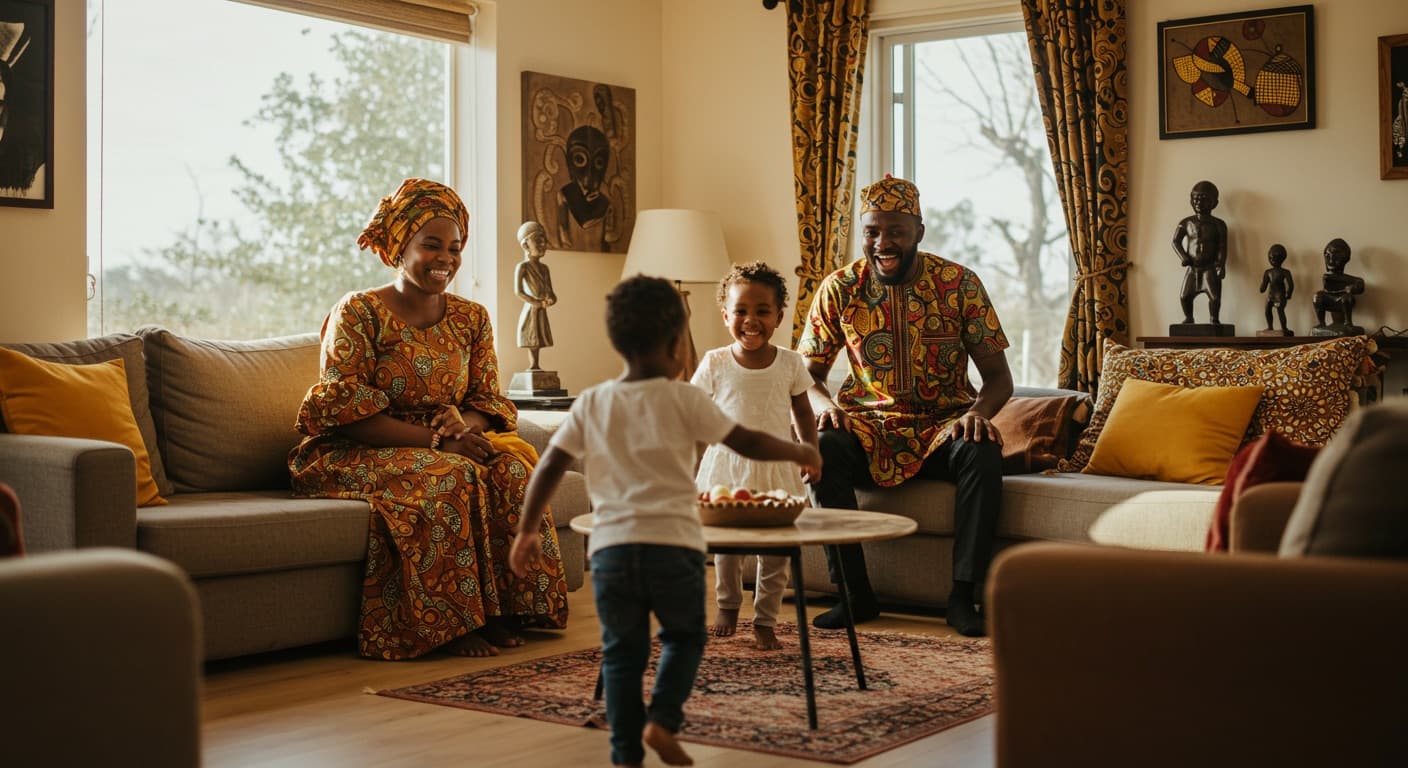
In Senegal, a country rich in cultural heritage and communal values, the institution of marriage remains a cornerstone of social life. Yet, like much of the world, Senegalese couples face modern challenges that test the durability of their unions. From the bustling streets of Dakar to the rural heartlands of Casamance, the dream of lifelong partnership often collides with unrealistic expectations shaped by romantic ideals, individualism, and societal pressures. Drawing on universal principles of enduring relationships, contextualized for Senegal’s unique cultural and social landscape, this article explores the secrets to building marriages that last. By emphasizing intellectual, emotional, and spiritual alignment, selfless communication, and a shift away from romanticized notions of love, Senegalese couples can cultivate resilient, fulfilling partnerships.
The Cultural Context of Marriage in Senegal
Marriage in Senegal is more than a union between two individuals; it is a bond that weaves families, communities, and traditions together. Rooted in Islamic, Christian, and indigenous practices, Senegalese marriages often carry expectations of mutual support, respect, and communal harmony. According to a 2020 study by the Agence Nationale de la Statistique et de la Démographie (ANSD), over 90% of Senegalese adults marry at least once, with many unions arranged or influenced by family input. Polygamy, practiced by approximately 35% of married men, and strong patriarchal norms further shape marital dynamics, particularly in rural areas. Yet, urbanization, education, and exposure to global media are introducing new ideals—often romanticized visions of love inspired by films, social media, and Western narratives. These evolving expectations can create tension. Young Senegalese couples, particularly in urban centers like Dakar and Thiès, increasingly aspire to the passionate, ever-romantic love portrayed in media, only to face disappointment when reality—marked by economic pressures, family obligations, and daily routines—sets in. Divorce rates, while still low compared to Western nations (estimated at 10-15% in urban areas), are rising, particularly among younger couples. The challenge, then, is to reconcile cultural values of commitment with modern aspirations for personal fulfillment. What are the secrets to marriages that endure in this context?Beyond Romance: The Pillars of Lasting Love
The notion that a successful marriage hinges on sustaining fiery romance is a misconception that often leads to disillusionment. While early-stage excitement—marked by extravagant dates, heartfelt gestures, and conflict-free moments—can feel exhilarating, it is not the foundation of a lasting union. Instead, enduring marriages in Senegal, as elsewhere, are built on four key pillars: intellectual attraction, spiritual alignment, emotional selflessness, and effective communication. 1. Intellectual Attraction: A Foundation for Connection In Senegal, where education levels are rising (with 60% of women aged 15-49 now literate, per ANSD), intellectual compatibility is increasingly vital. A marriage grounded solely in physical attraction risks faltering when external beauty fades or life’s challenges demand deeper connection. Intellectual attraction fosters engaging conversations, shared problem-solving, and mutual respect. For example, a Dakar-based couple, Aminata and Moussa, credit their 20-year marriage to their shared love of discussing literature and current events, which keeps their relationship vibrant even amidst financial struggles. To cultivate this, couples can engage in shared learning—attending community talks, reading together, or debating ideas respectfully. In Senegal, where oral storytelling and communal dialogue are cultural staples, such practices align naturally with local traditions. 2. Spiritual Alignment: Shared Values, Shared Purpose Senegal’s deeply religious society—95% Muslim and 4% Christian—places spiritual alignment at the heart of many marriages. Couples who share beliefs about life’s purpose and moral values often navigate challenges more cohesively. For instance, in predominantly Muslim Senegal, couples who align on practices like prayer, charity (zakat), or community involvement report greater marital satisfaction, according to a 2022 study by the Institut de Recherche pour le Développement. Spiritual alignment does not require identical beliefs but rather mutual respect and shared goals. For example, interfaith couples in Senegal, though rare, succeed when they agree on core values like family unity or community service. Couples can nurture this by participating in religious or cultural rituals together, reinforcing their shared identity. 3. Emotional Selflessness: The Antidote to Ego Selfishness is a silent killer of marriages worldwide, and Senegal is no exception. In a culture where community and family often take precedence over individual desires, self-centered attitudes can disrupt marital harmony. Emotional selflessness—prioritizing a partner’s needs—builds trust and deepens love. Take the example of Fatou, a rural Senegalese woman who supported her husband’s education by managing their household alone for years. Her sacrifice strengthened their bond, and today, they share a thriving partnership. In Senegal, where economic hardships often strain marriages, selflessness can manifest in small acts: sharing limited resources, supporting a partner’s ambitions, or caring for extended family. These acts echo the Wolof proverb, “Nit nit ay garabam” (a person is another’s remedy), emphasizing mutual care as a path to fulfillment. 4. Effective Communication: Listening to Understand Communication is the lifeblood of any relationship, yet it is often undervalued. In Senegal, where indirect communication and respect for hierarchy can dominate, openly discussing feelings or needs may feel uncomfortable, especially for women in patriarchal households. Yet, couples who practice active listening—seeking to understand rather than respond—report fewer conflicts. A 2023 survey by the Senegalese NGO Tostan found that couples trained in communication skills, such as expressing needs calmly, were 30% less likely to report marital dissatisfaction. Practical steps include setting aside time for uninterrupted conversations, perhaps during evening tea (ataya), a cherished Senegalese ritual. Asking open-ended questions like “What do you need from me today?” can foster understanding and prevent resentment.Redefining Love: From Fantasy to Reality
The greatest barrier to lasting marriages in Senegal may be the myth of “perfect love.” Media portrayals—whether Hollywood romances or Nollywood dramas—create expectations of constant passion and conflict-free unions. In reality, love matures through challenges. Senegalese couples like Mame Diarra and Ibrahima, married for 35 years, describe their early years as turbulent due to financial struggles and family pressures. Yet, their commitment to mutual growth—through shared faith, open dialogue, and sacrifice—transformed their marriage into a source of joy. To shift from fantasy to reality, couples must embrace love as an active choice. This means learning to love through actions—supporting a partner during unemployment, forgiving mistakes, or celebrating small victories together. In Senegal, where extended families often live closely, involving relatives in conflict resolution (e.g., through elders’ mediation) can reinforce this realistic approach, aligning with cultural practices.Practical Strategies for Senegalese Couples
To build lasting marriages, Senegalese couples can adopt the following strategies, tailored to their cultural and economic realities: Engage in Shared Learning: Attend community events, read religious texts together, or discuss local issues to foster intellectual connection. Reinforce Spiritual Bonds: Participate in shared rituals, such as attending mosque or church together, or volunteering in community projects. Practice Small Acts of Selflessness: Share household duties, support a partner’s goals, or prioritize family needs over personal desires. Prioritize Communication: Dedicate time for open dialogue, using cultural practices like ataya sessions to discuss feelings and plans. Seek Community Support: Leverage Senegal’s strong communal networks, such as consulting elders or joining women’s savings groups (tontines), to navigate challenges.Conclusion: A New Vision for Marriage in Senegal
In Senegal, where tradition and modernity intersect, the path to lasting marriages lies in redefining love. By prioritizing intellectual and spiritual alignment, emotional selflessness, and effective communication, couples can move beyond fleeting romance to build resilient partnerships. These principles, grounded in Senegal’s communal values, offer a roadmap for navigating the complexities of modern love. As the Wolof saying goes, “Jamm ak jamm” (peace begets peace), reminding us that mutual effort and understanding are the true secrets to a marriage that endures. Discussion
How can the Senegalese emphasis on intellectual attraction and emotional selflessness over fleeting passion reshape how African diaspora couples define love and commitment today?
