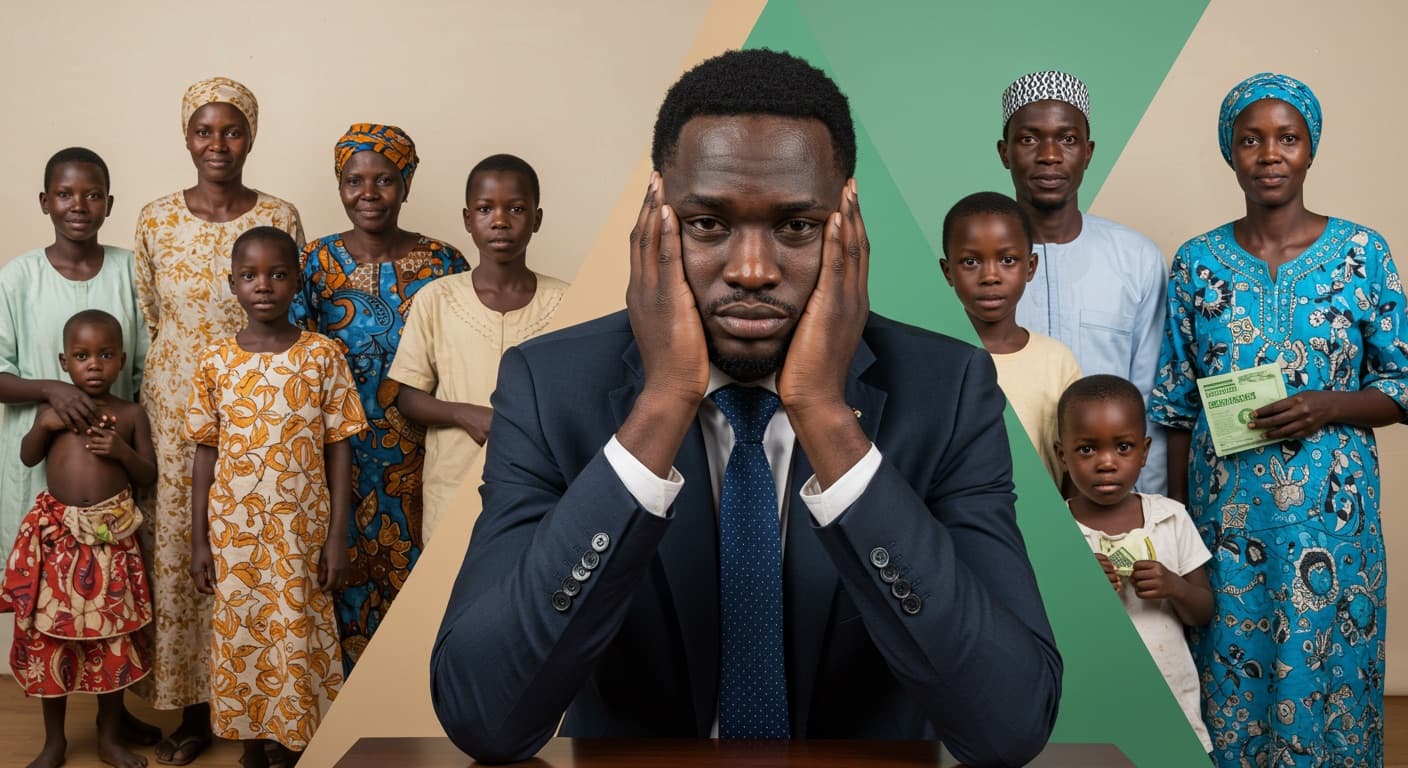
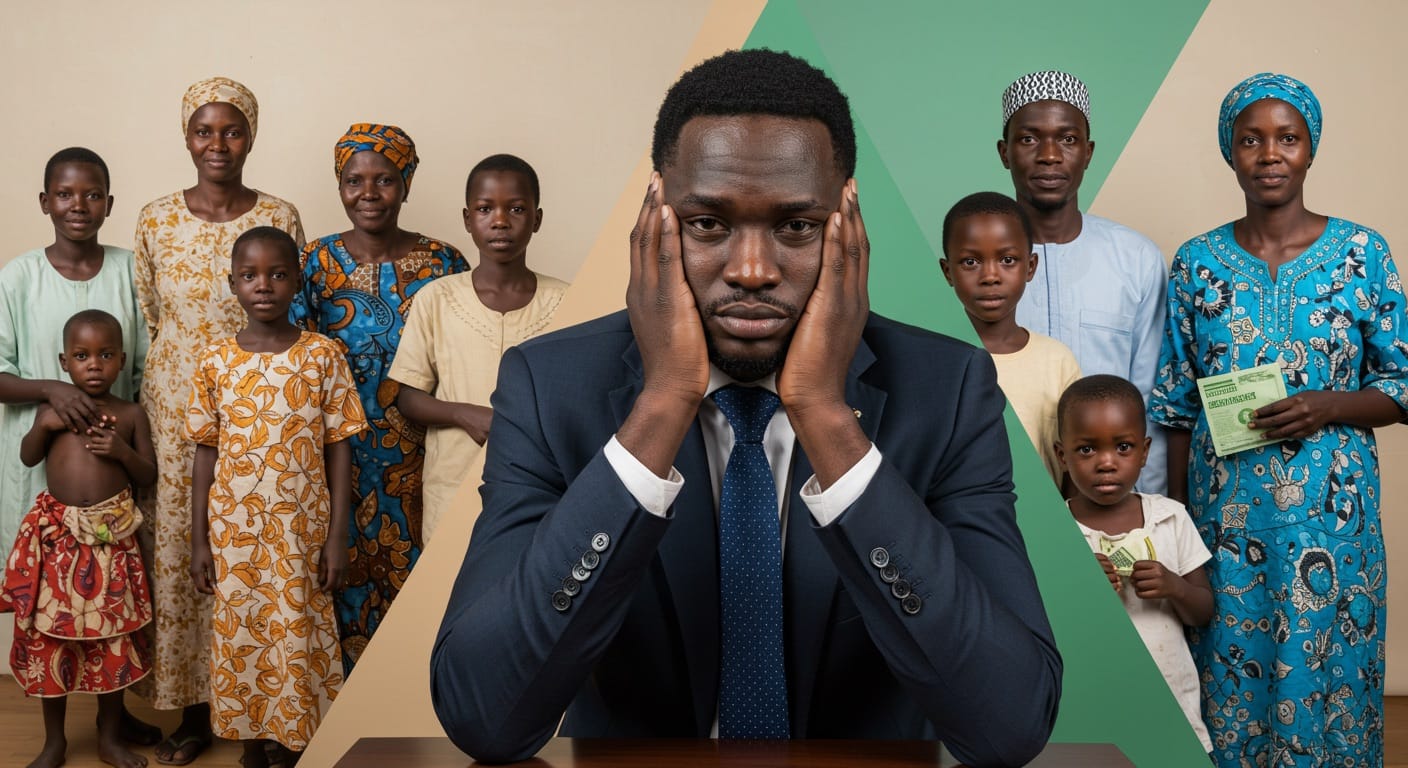
In Senegal, the dream of breaking free from generational poverty is a powerful motivator for many individuals born into low-income families. These individuals often harbor ambitions to create a better life for themselves and their future families, striving to escape the cycle of economic hardship that has defined their upbringing. However, this journey is frequently complicated by intense financial pressures from extended family members—parents, siblings, and even distant relatives—who rely on them for support. These pressures are often accompanied by guilt and manipulation, rooted in cultural expectations of familial duty and solidarity. This article explores why this phenomenon occurs in Senegal, the mental strength and attitudes needed to navigate these challenges, and culturally sensitive solutions to break the generational poverty curse.
The Roots of Family Financial Pressure in Senegal
Cultural Norms and Collectivism
Senegalese society is deeply rooted in collectivist values, where the family unit—often extended to include aunts, uncles, cousins, and in-laws—functions as a primary social and economic support system. This collectivism is influenced by cultural and religious traditions, including Islam, which emphasizes charity and support for kin, and traditional practices like teranga (hospitality and generosity). In this context, individuals who show signs of economic progress are often seen as a resource for the entire family. This expectation is particularly strong in rural and low-income communities, where resources are scarce, and mutual reliance is a survival strategy.
For someone striving to break out of poverty, this creates a paradox: their ambition to succeed is both a personal goal and a family obligation. Relatives may view their success as a collective asset, expecting financial contributions regardless of the individual’s own financial constraints or goals. This dynamic is compounded by the fact that household structures in Senegal are often complex, with multiple generations or extended relatives living together, each with their own financial needs and expectations.
Guilt and Manipulation as Social Tools
The use of guilt and manipulation to extract financial support often stems from entrenched social norms. In Senegalese culture, refusing to help family members can be perceived as a betrayal of familial loyalty, leading to social ostracism or accusations of selfishness. For example, siblings or parents may invoke emotional narratives—such as past sacrifices made for the individual or the family’s collective struggle—to pressure them into providing money. This manipulation is not always intentional malice but rather a reflection of desperation in a context where poverty limits options. The lack of formal social safety nets in Senegal places the burden of support on family members, amplifying these pressures.
Additionally, cultural beliefs about wealth and success can exacerbate this dynamic. In some cases, individuals who achieve modest financial gains are perceived as “wealthy” by relatives, regardless of their actual financial stability. This misperception fuels expectations that they should share resources, even when doing so jeopardizes their own family’s future.
Structural Factors: Poverty and Inequality
Senegal’s economic landscape plays a significant role in perpetuating these pressures. Despite progress in reducing extreme poverty, with the number of people living below the international poverty line declining significantly since 1990, poverty remains a pervasive issue, particularly in rural areas and among certain ethnic groups like the Serer. The lack of access to quality education, healthcare, and employment opportunities limits upward mobility for many families, creating a cycle where those who begin to succeed are quickly pulled back by the needs of others.
Intra-household inequalities further complicate this issue. Research shows that in Senegal, 13.4% of individuals living in households above the poverty line are themselves poor, as resources are not always equitably shared within families. This hidden poverty means that even when an individual appears to come from a “non-poor” household, they may still face significant financial strain, making it harder to resist family demands.
The Psychological and Emotional Toll
The constant pressure to provide for extended family members can lead to significant psychological and emotional challenges. Chronic stress from financial demands can result in anxiety, depression, and feelings of inadequacy, particularly when individuals feel torn between their personal goals and family obligations. This stress is compounded by the “scarcity mindset,” a psychological state where individuals focus on immediate survival needs rather than long-term goals like education or career advancement. In Senegal, this mindset is prevalent in impoverished communities, where the lack of resources fosters a fatalistic attitude that poverty is inevitable.
For ambitious individuals, the guilt of prioritizing their own family’s financial stability over extended family demands can be paralyzing. They may fear being labeled as ungrateful or selfish, which can erode their mental resilience and confidence in pursuing their goals. Moreover, the chronic stress of poverty can lead to epigenetic changes, increasing susceptibility to mental health issues that further hinder progress.
Building Mental Strength and Attitudes for Success
To navigate these pressures and break the generational poverty curse, individuals in Senegal must cultivate specific mental strengths and attitudes, tailored to the cultural context. Below are key strategies:
1. Developing Emotional Resilience
Mindset Shift: Adopt a growth mindset that views challenges as opportunities for growth rather than insurmountable barriers. This involves reframing family pressures as a test of resolve rather than a personal failing.
Boundary Setting: Learn to set firm but respectful boundaries with family members. This might mean politely declining requests for financial help by explaining personal financial goals or offering non-monetary support, such as advice or connections.
Cultural Sensitivity: In Senegal, outright refusal to help can damage relationships. Instead, individuals can practice “strategic generosity,” offering limited, planned support (e.g., contributing to specific needs like school fees) to maintain family harmony while protecting personal resources.
2. Cultivating Financial Discipline
Goal-Oriented Planning: Create a clear financial plan with short- and long-term goals, such as saving for education, starting a business, or securing housing. This plan should prioritize the nuclear family’s needs while allocating a small, manageable portion for extended family support.
Financial Literacy: Invest in learning about budgeting, saving, and investing. Community programs, such as microfinance initiatives, often provide financial literacy training that can empower individuals to manage money effectively.
3. Building a Supportive Network
Positive Role Models: Seek out mentors or peers who have successfully navigated similar challenges. Joining professional organizations or community groups can provide access to individuals who share similar ambitions and can offer guidance.
Community Support: Engage with community-led organizations that provide resources like food banks, mutual aid societies, or skills training. These can alleviate some family pressures by offering alternative support systems.
4. Mental Health and Self-Care
Stress Management: Practice affordable self-care techniques, such as mindfulness, prayer, or physical exercise (e.g., brisk walking), to manage stress and maintain mental clarity.
Seeking Help: In Senegal, mental health resources may be limited, but community support groups or religious leaders can provide emotional support and coping strategies.
5. Reframing Cultural Narratives
Redefining Success: Challenge the cultural narrative that equates success with immediate wealth distribution. Emphasize that building long-term wealth benefits the entire family by creating sustainable opportunities.
Education as Empowerment: Leverage the cultural value placed on education to justify prioritizing personal and nuclear family goals. Educating oneself and one’s children is a culturally acceptable way to invest in the future.
Solutions to Break the Generational Poverty Curse
Breaking the cycle of generational poverty in Senegal requires a combination of individual, community, and systemic efforts. Below are culturally informed solutions that address both the immediate pressures and the structural barriers to upward mobility.
Individual-Level Solutions
Invest in Education and Skills: Education is a critical pathway out of poverty. Research shows that maternal education significantly reduces intergenerational poverty by improving health, nutrition, and economic outcomes for children. Individuals should prioritize their own education and that of their children, even if it means delaying financial support to extended family.
Entrepreneurship and Microfinance: Starting a small business can provide a sustainable income stream. Microfinance programs, often tailored for women, offer loans and training to launch ventures, reducing reliance on family support.
Time Management: Balancing family obligations with personal goals requires disciplined time management. Allocating specific times for family interactions can help maintain relationships without derailing personal progress.
Community-Led Solutions
Mutual Aid Networks: Communities can establish mutual aid societies or rotating savings groups (e.g., tontines in Senegal), where members pool resources to support each other. These groups reduce the financial burden on individuals while fostering collective resilience.
Cultural Empowerment Programs: Community organizations can promote cultural narratives that celebrate long-term investment in education and entrepreneurship over immediate resource sharing. These programs can also provide training on boundary-setting and financial planning.
Systemic Solutions
Policy Interventions: The Senegalese government can expand access to education, healthcare, and vocational training, particularly in rural areas. Policies that target intra-household inequalities, such as ensuring equitable resource distribution within families, can also reduce hidden poverty.
Social Safety Nets: Developing robust social safety nets, such as cash transfers or subsidized healthcare, can alleviate the financial burden on families, reducing the need to rely on relatives for support.
Economic Growth and Job Creation: Promoting inclusive economic growth, particularly in agriculture and social entrepreneurship, can create opportunities for low-income families to achieve financial stability.
Conclusion
Breaking the generational poverty curse in Senegal is a complex but achievable goal. The financial pressures from extended family, rooted in cultural norms of collectivism and exacerbated by systemic poverty, pose significant challenges for ambitious individuals. However, by cultivating mental resilience, setting boundaries, and leveraging community and systemic resources, individuals can navigate these pressures while pursuing their goals. Culturally sensitive solutions, such as mutual aid networks and education-focused policies, can further support this journey. Ultimately, breaking the cycle requires a delicate balance of honoring familial ties and prioritizing personal and nuclear family stability, ensuring that future generations inherit not poverty, but opportunity.