
Society
Bound by Blood, Broken by Spells: The Hidden Pressure on Senegal’s Migrants
Senegalese migrants face immense pressure to send money home, leading families to sometimes use spiritual practices like maraboutage to control them, which takes a heavy personal and financial toll.
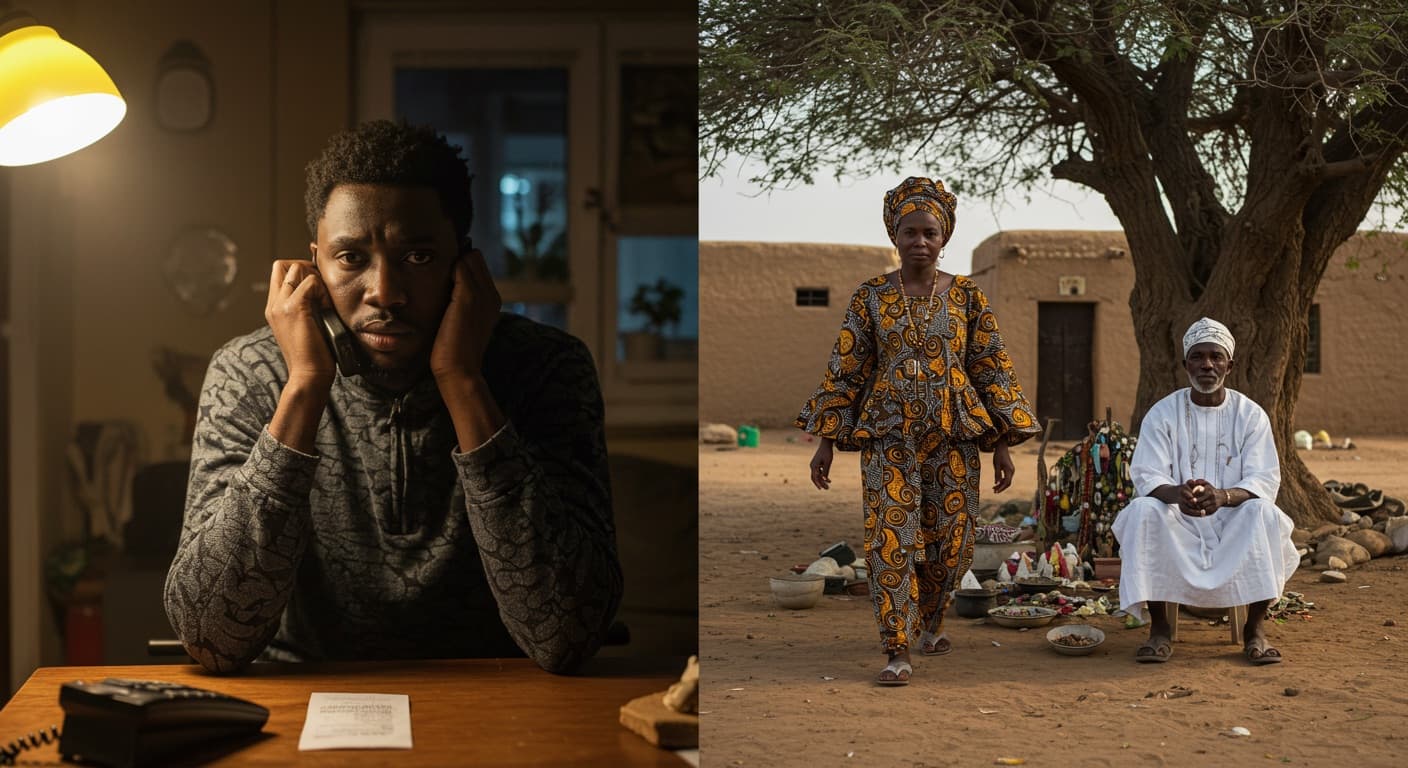
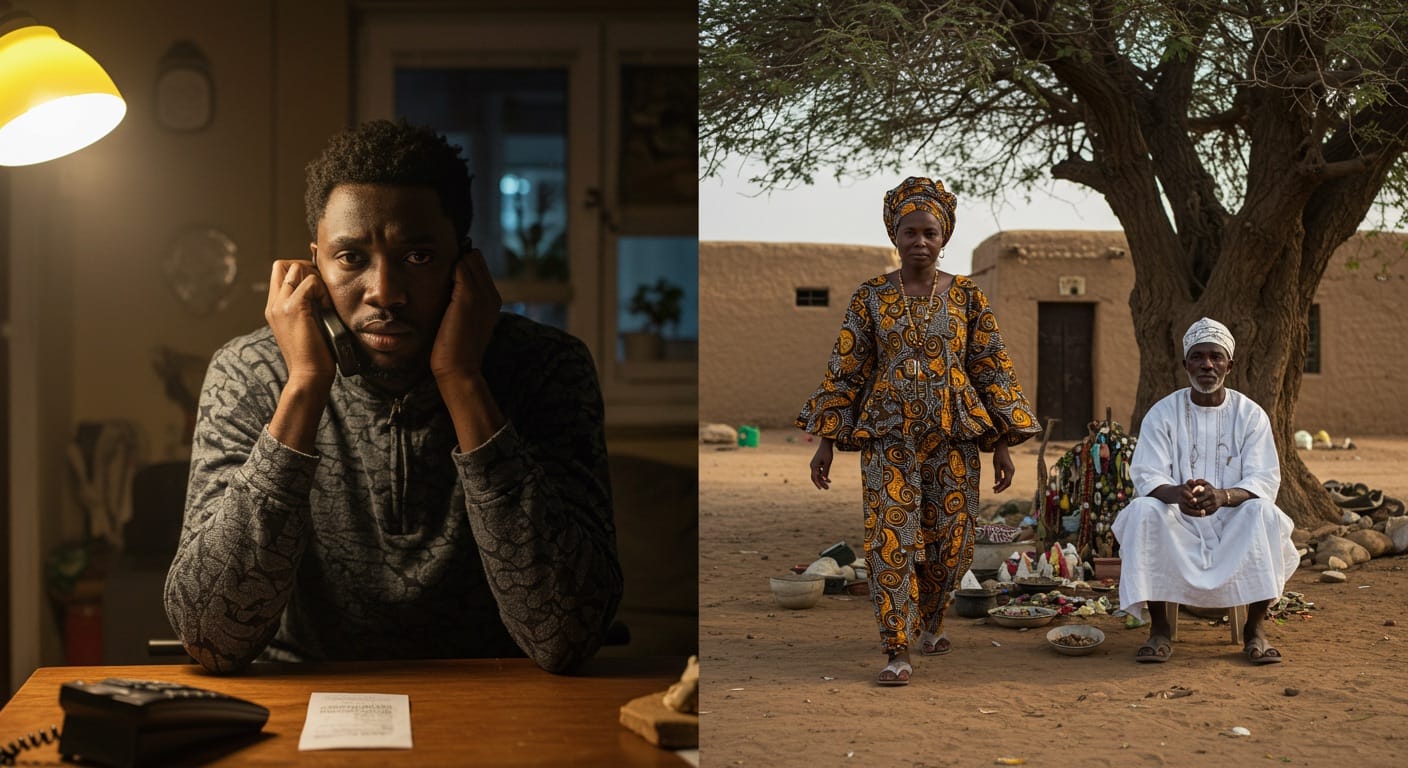
In Senegal, a country rich with cultural heritage and spiritual traditions, the interplay of family dynamics, migration, and mystical practices like maraboutage creates a unique and often challenging social landscape. For many Senegalese living abroad, such as Moussa, a fictional immigrant in Paris, the pressure to fulfill familial obligations can clash with personal aspirations, sometimes leading to extreme measures like consulting marabouts—spiritual leaders or mystics—to influence behavior. This article explores the phenomenon of families using marabout practices to exert control over relatives abroad, particularly in the context of financial remittances, and the profound personal and social consequences, including attempts to disrupt marriages.
The Role of Marabouts in Senegalese Society
In Senegal, where over 94% of the population is Muslim, Sufism dominates the religious landscape, with prominent brotherhoods like the Mourides and Tidianes shaping spiritual and social life. Marabouts, revered as spiritual guides, scholars of the Quran, and sometimes mystics, hold significant influence. They are often consulted for guidance on matters ranging from health and fertility to financial success and personal disputes. Their practices blend Islamic teachings with traditional animist beliefs, a syncretism deeply embedded in Senegalese culture. One common practice is the creation of gris-gris, amulets containing Quranic verses or other spiritual elements believed to protect, heal, or influence outcomes. While marabouts traditionally serve as counselors and educators, some are associated with mystical practices, including what is colloquially termed "maraboutage"—the use of spiritual or magical interventions to affect someone’s behavior or fate. These practices, though controversial and sometimes deemed un-Islamic, are sought after for resolving personal or familial conflicts. In cases like Moussa’s, family members may turn to marabouts to exert control over relatives who are perceived as failing to meet expectations, particularly those living abroad.Migration and the Burden of Remittances
Senegal has a long history of migration, particularly to Europe, with France, Italy, and Spain hosting significant Senegalese diaspora communities. Approximately 4-5% of Senegal’s population lives abroad, with many sending remittances that form a critical economic lifeline for families back home. These financial contributions are often seen as a moral and social obligation, reinforcing family ties and social status. A successful migrant who sends money home elevates their family’s prestige, as illustrated by the Senegalese proverb, “A successful son is everyone’s son, a failed son is his mother’s.” For migrants like Moussa, however, life abroad is fraught with challenges. In Paris, he faces high living costs, the need to secure employment, and the desire to build a stable future, perhaps including a marriage and personal aspirations. Sending money home regularly can strain limited resources, creating tension between personal goals and family expectations. When migrants prioritize their own needs, they may face accusations of neglect or selfishness, leading to strained relationships.The Case of Moussa: A Family Divided by Distance and Expectations
Moussa’s story reflects a common experience among Senegalese migrants. Living in Paris, he struggles to balance his ambitions with the demands of his family in Senegal. His sister, frustrated by his infrequent remittances, consults a marabout to compel him to send money, even at the cost of his personal well-being. In an extreme escalation, she seeks to sabotage his marriage, perceiving it as a barrier to his financial contributions. This scenario highlights the intersection of cultural expectations, spiritual beliefs, and family conflict. The use of maraboutage in this context is not uncommon. Family members may believe that a marabout’s rituals—such as casting spells, preparing gris-gris, or performing ceremonies—can influence a migrant’s behavior. These practices might involve Quranic verses, herbal concoctions, or symbolic objects, believed to exert spiritual control over the target. In Moussa’s case, his sister’s actions reflect a desperate attempt to enforce traditional family obligations, even if it means resorting to mystical intervention. The attempt to destroy Moussa’s marriage underscores the intensity of these conflicts. Marriage, especially abroad, can be seen as a threat to remittances, as it may redirect a migrant’s resources toward a new family unit. In Senegal, where polygamy is permitted, and family structures are complex, such actions may also stem from jealousy or fear of losing influence. The marabout’s involvement amplifies these tensions, offering a culturally accepted, albeit controversial, avenue for resolving disputes.The Cultural and Spiritual Context of Maraboutage
Maraboutage is deeply rooted in Senegal’s blend of Islam and animism. Despite Islam’s prohibition of certain mystical practices, many Senegalese, including Muslims and Christians, wear gris-gris or consult marabouts for protection or intervention. These practices are often kept secret due to their questionable religious legitimacy, yet they persist because of widespread belief in their efficacy. As one source notes, “The important thing for me to be mindful of is, whatever my beliefs, most Africans believe they work and, like a placebo, this belief does make them work”. The power of marabouts is not only spiritual but also social and political. Marabouts, particularly those affiliated with powerful Sufi brotherhoods like the Mourides, wield significant influence, historically shaping Senegal’s political landscape through ndiggël (instructions to followers on voting). Their authority extends to personal disputes, where they act as mediators or, in some cases, enablers of manipulation. For families, consulting a marabout to influence a migrant’s behavior is a socially integrated practice, less stigmatized than in Western contexts, though it raises ethical questions about consent and autonomy.The Impact on Migrants and Their Families
For migrants like Moussa, the consequences of such practices are profound. The psychological toll of knowing that family members are resorting to spiritual manipulation can lead to feelings of betrayal, isolation, and mistrust. If Moussa’s marriage is targeted, the strain could jeopardize his personal life, potentially leading to divorce or emotional distress. Financially, the pressure to send money, even under spiritual coercion, can derail his efforts to build a stable future in Paris. Back in Senegal, the reliance on maraboutage reflects deeper socio-economic issues. Poverty, a key driver of migration, also fuels the expectation of remittances. Families may feel entitled to support, viewing migrants as their economic lifeline. When these expectations are unmet, resorting to marabouts can be seen as a last resort to restore balance. However, this perpetuates a cycle of dependency and conflict, undermining family cohesion.Broader Societal Implications
The use of maraboutage in family disputes highlights broader issues in Senegalese society, including the tension between tradition and modernity. Migration to Europe, while economically beneficial, disrupts traditional family structures, creating power imbalances between those at home and those abroad. The reliance on marabouts to resolve these disputes points to a lack of effective secular mechanisms for conflict resolution, as noted in discussions of Senegal’s “masla” approach, which prioritizes peace and forgiveness over accountability. Moreover, the commercialization of maraboutage raises concerns. Some marabouts charge significant fees for their services, exploiting vulnerable families. In Mbour, for instance, marabouts have been reported to charge hundreds to thousands of euros for protective talismans for migrants, a practice that parallels the manipulation seen in Moussa’s case. This commodification undermines the spiritual integrity of maraboutage and exacerbates financial pressures on families.Addressing the Issue
Addressing the use of maraboutage in family conflicts requires a multi-faceted approach. First, improving economic opportunities in Senegal could reduce the dependency on remittances, alleviating pressure on migrants. Programs like MIDA-Senegal, which leverage diaspora expertise for development, are steps in this direction. Second, promoting open communication within families about financial expectations could mitigate misunderstandings. Community-based initiatives, such as those led by women’s associations in Thiaroye-sur-mer, demonstrate the power of collective action in addressing migration-related issues, including enlisting respected marabouts to discourage risky behaviors. Education and awareness campaigns could also challenge the reliance on mystical practices for conflict resolution. By fostering dialogue about the ethical implications of maraboutage, communities might seek alternative ways to address disputes, such as mediation or counseling. Finally, regulating the activities of marabouts, particularly those engaging in exploitative practices, could protect vulnerable individuals. Senegal’s legal framework already criminalizes certain forms of exploitation, such as forced begging by talibés, but enforcement remains weak.Conclusion
Moussa’s experience encapsulates the complex interplay of migration, family expectations, and spiritual practices in Senegal. The use of maraboutage to coerce remittances or disrupt personal lives reflects deeper socio-economic and cultural dynamics, including poverty, dependency, and the enduring influence of traditional beliefs. While marabouts play a vital role in Senegalese society, their involvement in family conflicts raises ethical and practical challenges. By addressing the root causes of these disputes—poverty, lack of communication, and unregulated spiritual practices—Senegal can foster healthier family dynamics and support its diaspora in building sustainable futures, both at home and abroad. Discussion
How can Senegalese families and diaspora communities reconcile the cultural role of maraboutage with the need to protect migrants from psychological and financial exploitation?
